
Understanding Online Lottery Odds and Payouts When Playing on 28bet

The basics of online lottery play and why odds matter
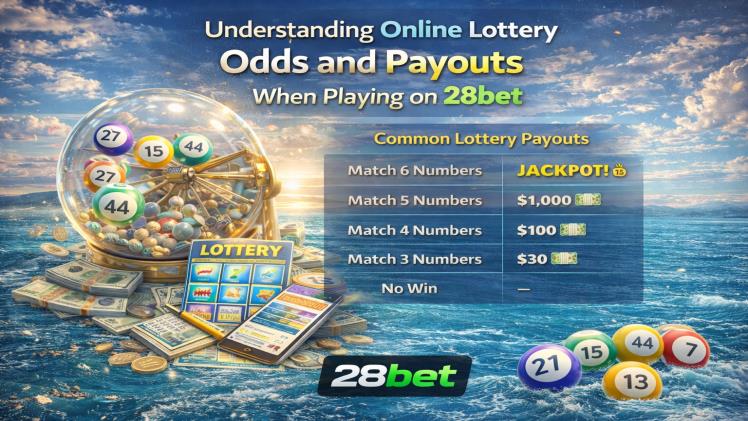
Online lottery games attract players because they feel simple and exciting. You pick numbers, place a bet, and wait for the draw. Behind that simplicity sits a layer of math that shapes every result. Understanding that math helps you make calmer decisions and avoid unrealistic expectations. When players first explore platforms like 28bet, they often focus on jackpots and bonuses, not the odds that control how often wins happen. This section sets the foundation by explaining why odds should matter to every player, even casual ones. Odds determine how likely a specific result is, while payouts decide how much a winning ticket returns. Together, they define the real value of any lottery game. If you ignore them, you rely purely on luck. If you understand them, you still rely on luck, but you know what you are signing up for and why results look the way they do over time.
Key ideas to understand before placing your first ticket
- Odds show the probability of a specific outcome, not a prediction
- Payouts are tied directly to how unlikely a result is
- Big jackpots usually come with very low chances of winning
- Small wins happen more often but return less money
How online lottery odds are calculated in simple terms
Lottery odds come from basic probability. Each draw has a fixed set of numbers, and each combination has the same chance of appearing. If a game asks you to match six numbers from a pool of forty nine, the number of possible combinations is huge. Your ticket represents just one of those combinations. That is why the odds feel so steep. Online platforms use the same mathematical logic as physical lotteries, even if the interface feels more modern. Understanding how these calculations work removes a lot of mystery. It also helps you compare different lottery formats and see why some games advertise better chances but smaller rewards. Odds never change based on how many people play. They are locked in by the structure of the game itself.
Factors that directly affect lottery odds
- Total numbers available in the draw
- How many numbers you must match to win
- Whether order matters or not
- The presence of bonus balls or extra number pools
The relationship between probability and payouts
Probability and payouts are two sides of the same coin. When a result is rare, the payout is higher. When a result is common, the payout is smaller. This balance keeps lottery games sustainable for operators and predictable in structure. Many players focus only on the payout table, not realizing it mirrors probability almost perfectly. A jackpot worth millions exists because the odds of hitting it are extremely low. Smaller prizes exist to create more frequent wins and keep players engaged. Knowing this relationship helps you read payout tables with a critical eye. You can quickly spot which prizes are realistically reachable and which ones are more symbolic than practical.
What payout tables are really telling you
- High payouts signal very low probability
- Mid tier prizes often offer the best balance of chance and reward
- Frequent small wins help soften losses but rarely lead to profit
- The full table shows how your stake is distributed across outcomes
Understanding payout structures in online lottery games
Payout structures explain how winnings are distributed across different match levels. Some games offer a fixed jackpot, while others allow jackpots to grow based on ticket sales. Fixed jackpots provide stability, but progressive jackpots offer excitement. Online lotteries often include multiple prize tiers, meaning you can win something even if you do not hit all numbers. This layered approach keeps players involved longer. However, not all payout structures are equally player friendly. Some heavily weight the top prize, leaving very little value in lower tiers. Others spread rewards more evenly. Reading the payout structure carefully gives you insight into how often you might expect a return.
Common types of payout models you will see
- Fixed payout systems with predetermined prizes
- Progressive jackpots that grow over time
- Tiered rewards for partial matches
- Bonus prize pools linked to special draws
House edge, expected value, and what they mean for players
Every lottery game has a house edge. This represents the portion of total bets that the operator keeps over time. Expected value is the average return a player can expect per unit wagered. In lotteries, expected value is almost always negative, meaning players lose money in the long run. This does not mean you cannot win. It means wins are offset by many losses over time. Understanding expected value helps you avoid chasing losses or believing in systems that promise guaranteed profit. It also encourages responsible play. When you see lottery tickets as entertainment rather than investment, the experience becomes healthier and more enjoyable.
Concepts that help frame realistic expectations
- House edge explains why the platform always profits over time
- Expected value shows average outcomes, not individual results
- Short term wins do not change long term math
- No strategy can override probability in pure lottery games
Comparing lottery formats and choosing what fits your style
Not all online lotteries feel the same. Some focus on massive jackpots, while others prioritize frequent smaller wins. Choosing the right format depends on what you enjoy. If you like long shots and big dreams, high jackpot games may appeal to you. If you prefer steady engagement, games with better odds and modest payouts might suit you better. When exploring a 28bet game, take time to review the odds and prize tiers before committing. That simple habit helps align your expectations with reality. It also reduces frustration when results do not go your way.
Questions to ask before picking a lottery format
- How often does this game typically pay out
- Are there multiple prize tiers or only a jackpot
- Is the jackpot fixed or progressive?
- Does the stake size match my comfort level?
Managing your budget and emotional expectations
Lottery games are built on chance, which means outcomes can feel random and emotional. A clear budget keeps those emotions in check. Decide in advance how much you are willing to spend and treat that amount as entertainment cost. Avoid increasing bets after losses or chasing near misses. Emotional decisions often lead to overspending. Understanding odds supports better emotional control because you know losses are part of the structure, not personal failure. When expectations are realistic, wins feel enjoyable and losses feel manageable.
Practical habits that support responsible play
- Set a fixed spending limit before you start
- Avoid using winnings to justify higher stakes
- Take breaks after long sessions
- View lottery play as entertainment, not income
Final thoughts and conclusion on understanding online lottery odds, payouts, and smarter play choices
Reaching a clear conclusion about online lottery play requires honesty about how these games work. Odds define your chances, payouts reflect rarity, and the house edge ensures operators remain profitable. None of this removes the excitement of playing, but it does reshape how you approach it. When you understand the structure, you stop expecting guarantees and start appreciating the experience for what it is. Knowledge does not increase your odds of winning, but it improves your control, enjoyment, and decision making. That is the real value of learning how online lottery systems operate from the inside.
Core takeaways to remember moving forward
- Odds and payouts are fixed by game design
- Big rewards always come with low probability
- Understanding math leads to calmer choices
- Responsible play starts with informed expectations